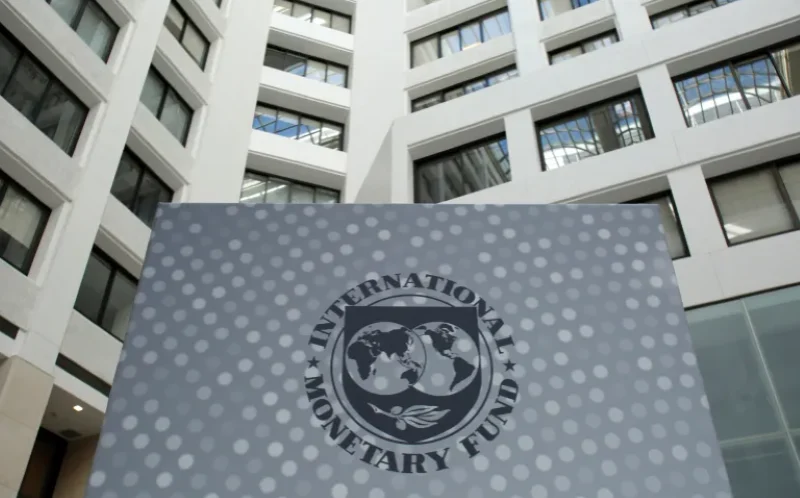
The International Monetary Fund (IMF) has advised the Federal Government against bringing back broad fuel subsidies, warning that the policy could increase pressure on public finances and weaken efforts to stabilise Nigeria’s economy.
The Fund recommended targeted financial support for vulnerable households instead, noting that general fuel subsidies are costly and often benefit wealthier consumers more than low-income earners.
The advice comes as Nigerians continue to face rising living costs and pressure from higher energy and transportation expenses.
Although fuel subsidies can provide temporary relief by keeping pump prices lower, the IMF maintains that the policy places a heavy burden on government revenue and can reduce the funds available for essential public services and development projects.
The Fund also noted that Nigeria has made progress on economic reforms, but the benefits have not been evenly felt across the population, leaving many households struggling with the cost of living.
It urged the government to balance the need to protect vulnerable citizens with maintaining fiscal stability, strengthening food and energy security, and supporting sustainable economic growth.
Rather than restoring a general subsidy, the IMF’s position favours measures that direct assistance to households most affected by rising prices while limiting the long-term cost to government finances.